
Sex Offender Checks in Livingston Parish
The official starting point is the Louisiana Sex Offender and Child Predator Registry, managed by Louisiana State Police's Bureau of Criminal Identification and Information. It covers registrants statewide and lets a reader use a name or geographic search. Livingston Parish does not publish a separate verified public registry portal in the research, so a parish check should use the state system rather than an unofficial list.
Prepare a name and, when known, a city, ZIP code, or address before searching. Compare identifying details instead of relying on a similar name alone. The state portal supplies the public profile; the Livingston Parish Sheriff's Office is the local contact for registration and suspected noncompliance. For a broader overview of local records, the Livingston Parish criminal history page explains why records remain divided among agencies.
The Louisiana State Police registry page shows the official route into this system.
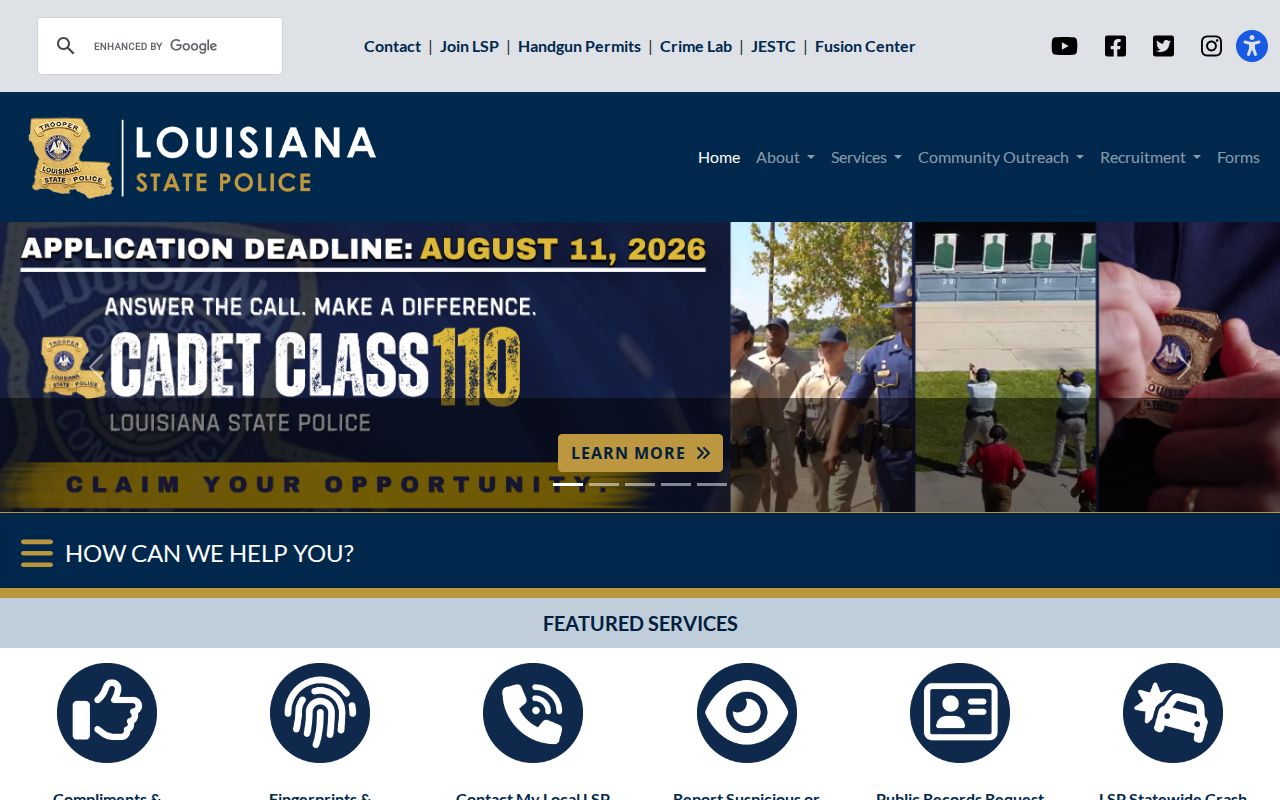
This state page is the authoritative gateway for registry searches, rules, contacts, and public-safety guidance.
Registering Through the Livingston Parish Sheriff
A person whose residence falls in Livingston Parish registers locally through the Livingston Parish Sheriff. Louisiana law requires initial registration soon after establishing residence, employment, or school attendance in the jurisdiction, and changes must be reported on the schedules set by law. Local registration is distinct from searching the public website: the Sheriff gathers and verifies required information, while LSP maintains the statewide public registry.
The official local channel documented in the research is the Livingston Parish Sheriff's Office at 20300 Government Boulevard, Livingston, Louisiana 70754, reached through 225-686-2241. The research did not verify a dedicated local registry-unit number or counter hours, so call the main line before visiting and ask for the sex-offender registration function. For state-level questions, LSP publishes its Sex Offender Registry line at 1-800-858-0551.
How to Search the Louisiana Sex Offender and Child Predator Registry
Use the official LSP registry interface and read its conditions before opening results. Search controls can change, and the research did not independently capture every current radius option or button label, so rely on what the live portal displays rather than an old screenshot.
- Open the Louisiana State Police registry and review the conditions of use.
- Choose a name search or a geographic search using the available address, city, ZIP, parish, or map controls.
- Narrow the results to Livingston Parish and compare the displayed name, photograph, physical description, and location.
- Open the full profile to review offenses, registration status, addresses, vehicles, and verification information before drawing a conclusion.
| Search Field | Use | Required? | Practical Limit |
|---|---|---|---|
| Name | Find a known person | No | Confirm identity with the profile, not the name alone |
| Address or location | Search near a place | No | Depends on the address information currently reported |
| City, ZIP, or parish | Narrow a geographic result set | No | Boundary and mailing-address differences can affect interpretation |
| Map or radius controls | View nearby listed addresses when offered | No | Live options should be verified on the portal |
Why an Empty Radius Search Is Not a Safety Guarantee
No-result pages require careful reading. Louisiana's registry reports people and addresses that are legally required, reported, processed, and publicly displayed. An empty search does not establish that no offense has occurred in an area, that every person has complied, or that every relevant address is current. It also does not include people whose offenses do not require public registration.
Check spelling and geographic filters, try a neighboring ZIP or direct name search, and consult the live registry again if the matter is time-sensitive. Report suspected noncompliance to law enforcement instead of trying to investigate or confront someone personally.
Inside a Registry Profile
Louisiana public profiles can display enough detail to distinguish people with similar names and understand the basis and present status of registration. Fields vary by record, and absence of a particular detail should not be treated as proof that the detail does not exist.
| Name and Aliases | Primary identifying name and reported alternate names. |
|---|---|
| Photo and Description | Photograph plus available physical descriptors used to distinguish identities. |
| Addresses | Reported residence and other address information made public under Louisiana law. |
| Offense and Statute | Qualifying offense information, jurisdiction, conviction details, and statutory basis when displayed. |
| Tier | Tier I, II, or III classification tied to registration duration and verification frequency. |
| Vehicles and Employment | Public vehicle and employment or school information when required and displayed. |
| Registration Status | Compliance, verification, or absconded information available on the current profile. |
The LSP qualifying-offenses page provides the official offense framework behind those profile entries.
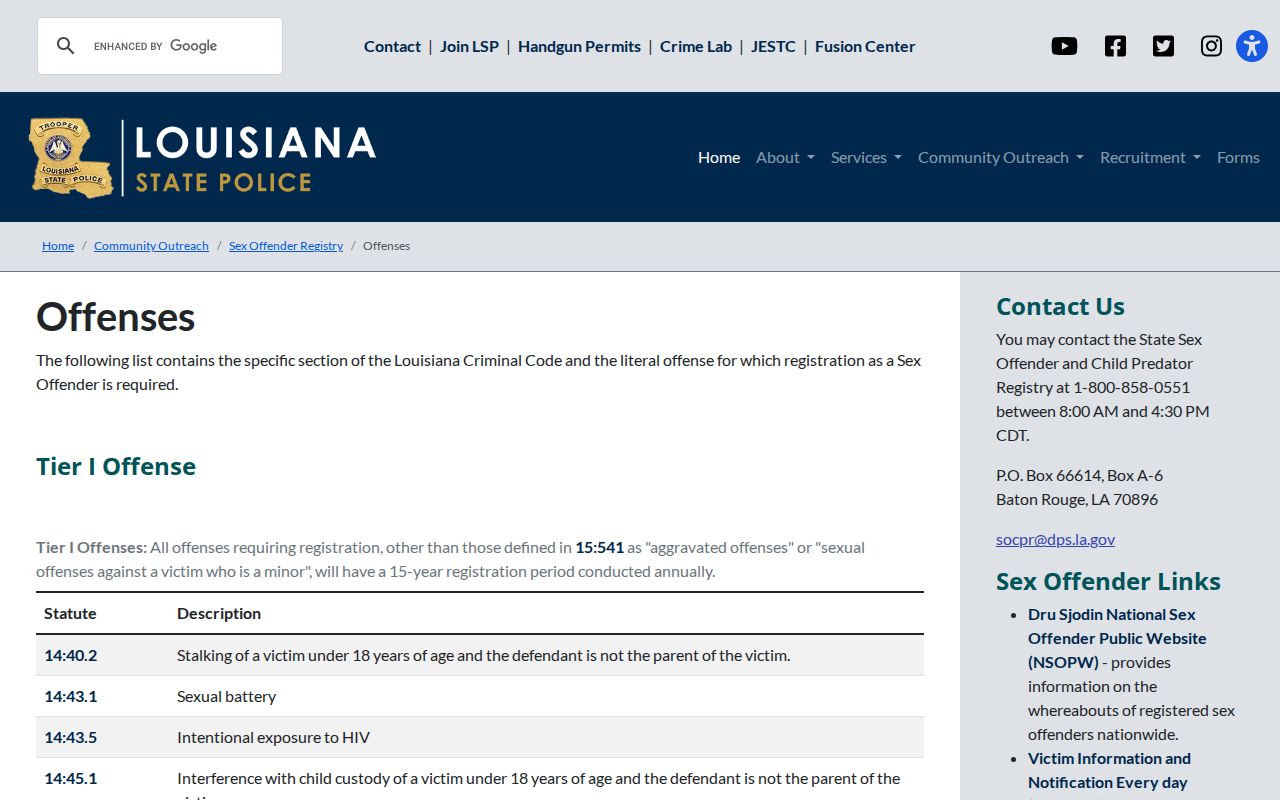
That list is important because even repealed or redesignated offenses may continue to carry duties when Louisiana law says registration remains required.
State Registry Versus NSOPW
The LSP registry is the direct source for Louisiana records and the best place to read a Louisiana profile. The U.S. Department of Justice's National Sex Offender Public Website, or NSOPW, searches participating public registries across jurisdictions. It is useful when a person may have moved or when the relevant location crosses the Mississippi state line, but its result still points back to the contributing jurisdiction.
The National Sex Offender Public Website supplies that multi-jurisdiction search layer.
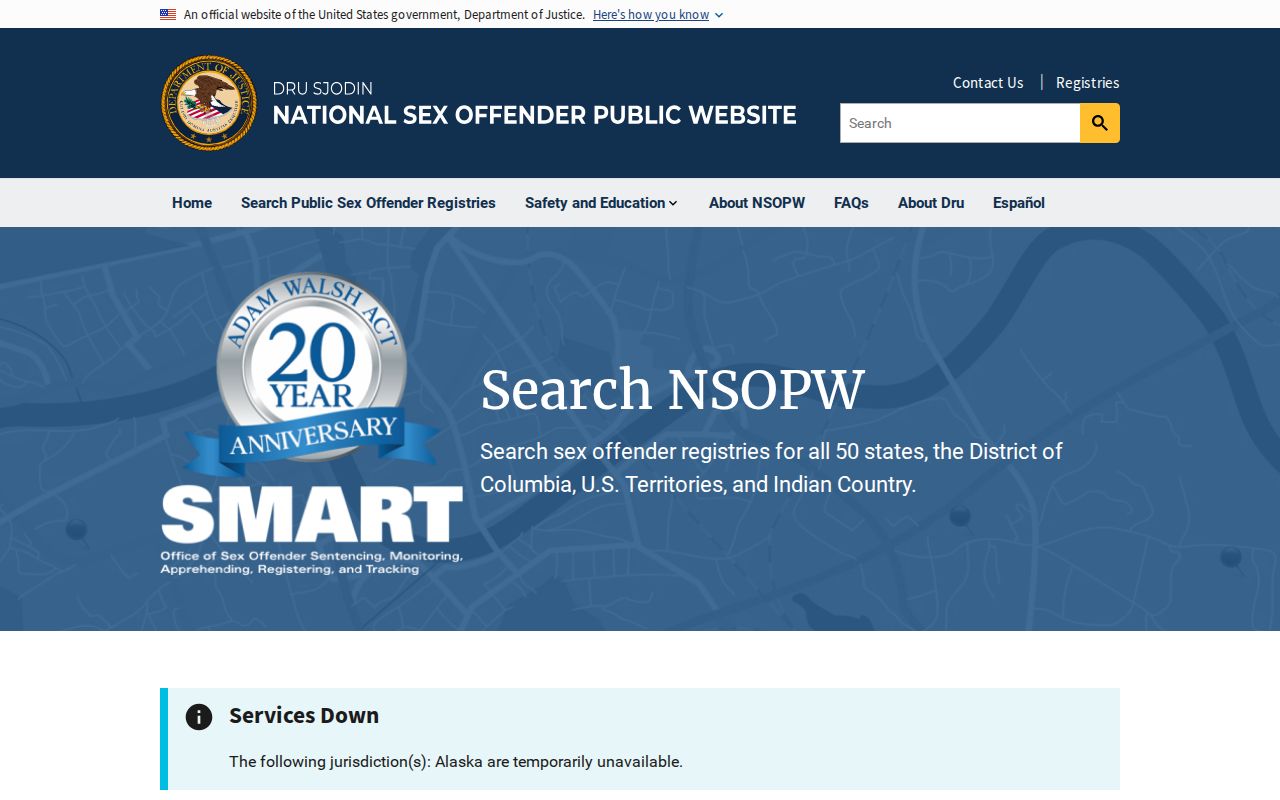
Use NSOPW for breadth and the Louisiana profile for the state's current public details, cautions, and contact route.
Louisiana Registration Levels and Requirements
Louisiana uses three tiers. The offense and statute determine classification, not a reader's impression of seriousness. Verification becomes more frequent as the tier increases, and duties may continue longer than the basic period in circumstances defined by law.
| Tier | General Duration | Verification Frequency |
|---|---|---|
| Tier I | 15 years | Annually |
| Tier II | 25 years | Every six months |
| Tier III | Lifetime | Every three months |
The official text of Louisiana R.S. 15:542 identifies who must register.
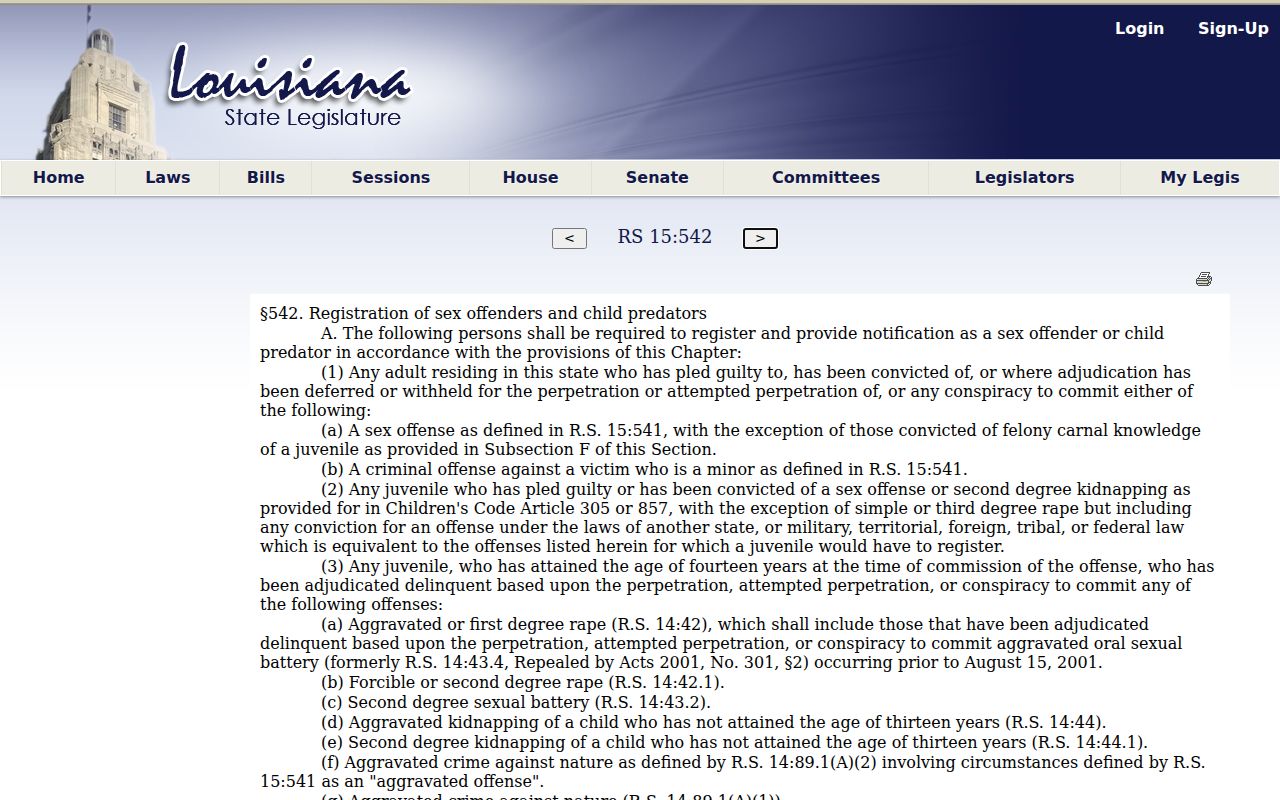
That duty statute works with R.S. 15:541 and 15:544; the statutes and LSP classification, rather than an unofficial summary, control a person's actual obligations.
Annual, Semiannual and Quarterly Verification
Verification is an ongoing reporting duty, not a one-time enrollment. Tier I generally verifies annually, Tier II every six months, and Tier III every three months. Registrants must also comply with separate change-reporting duties, so the next scheduled verification date does not necessarily postpone notice of a new residence, employment, vehicle, or other required fact.
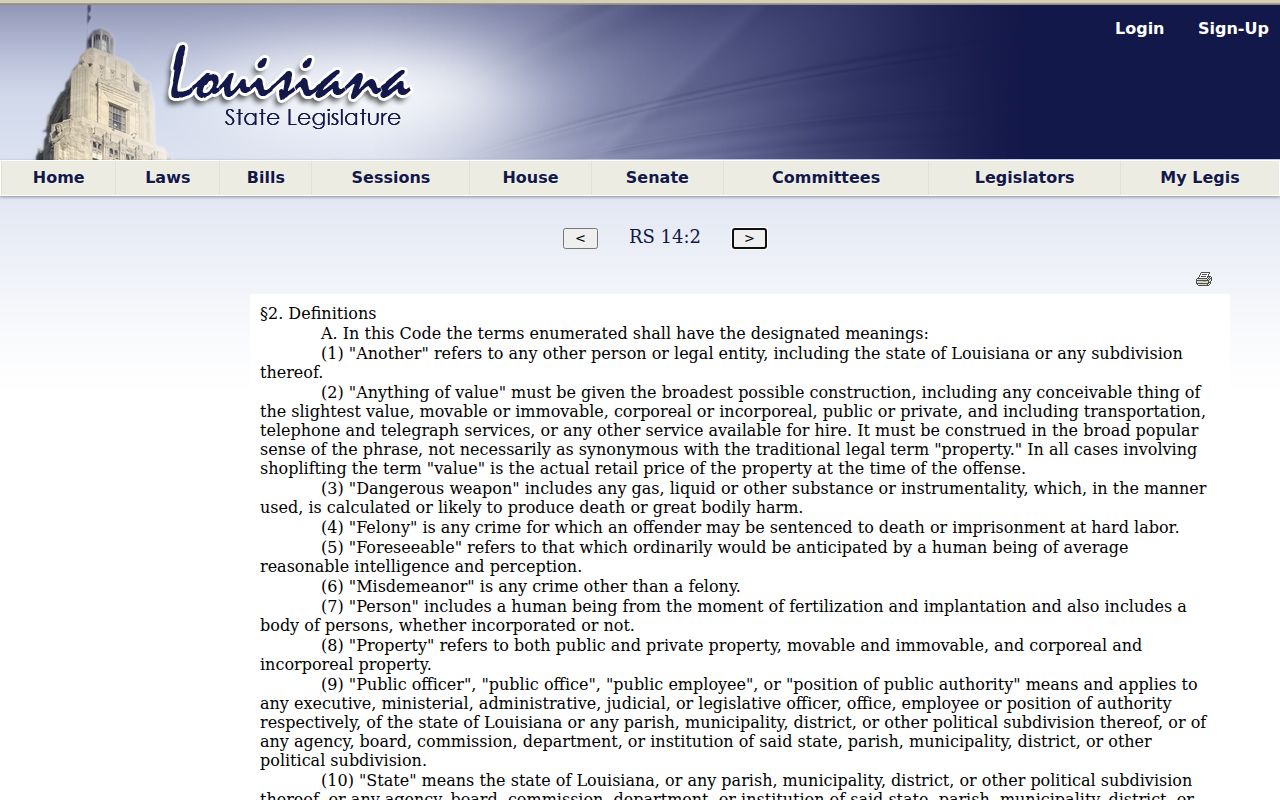
The Legislature's R.S. 14:2 definitions page illustrates why exact statutory terms matter when reading any Louisiana offense label.
For a Livingston Parish registrant, verification questions should go through the Sheriff's Office, while legal interpretation of an offense or registration duty belongs with qualified counsel.
Address Alerts Track Registry Changes, Not Every Crime
Where the live Louisiana registry offers address or proximity notifications, an alert can help a resident follow reported registry changes near a chosen location. It does not monitor every police report, predict conduct, or replace ordinary personal-safety practices. Because the research could not verify the current vendor's exact alert fields, enrollment choices should be read directly on the live LSP portal.
Treat an alert as a notice to open and verify the official profile. If the concern instead involves a recent arrest or custody event, use the separate Livingston Parish arrest lookup channels rather than assuming the registry will reflect it.
Report Noncompliance; Do Not Confront
A missing person from search results, an apparently outdated address, or a possible violation should be reported to the Livingston Parish Sheriff at 225-686-2241 or to LSP's registry line at 1-800-858-0551. Give the official as much precise information as possible, such as the profile name, address shown, observed discrepancy, and date. In an emergency, call 911.
Do not visit an address, question household members, publish accusations, or attempt enforcement. Officers can compare the report with nonpublic records and determine whether investigation is warranted. A public profile alone cannot establish a new offense or violation.
Community Notification and Lawful Use
The registry exists to support public awareness and reasonable safety planning. Louisiana law controls disclosure and also limits misuse. Search results should be interpreted accurately, kept in context, and verified through the agency responsible for the profile. They should never be turned into threats, vigilantism, or assumptions about people who merely share an address or surname.
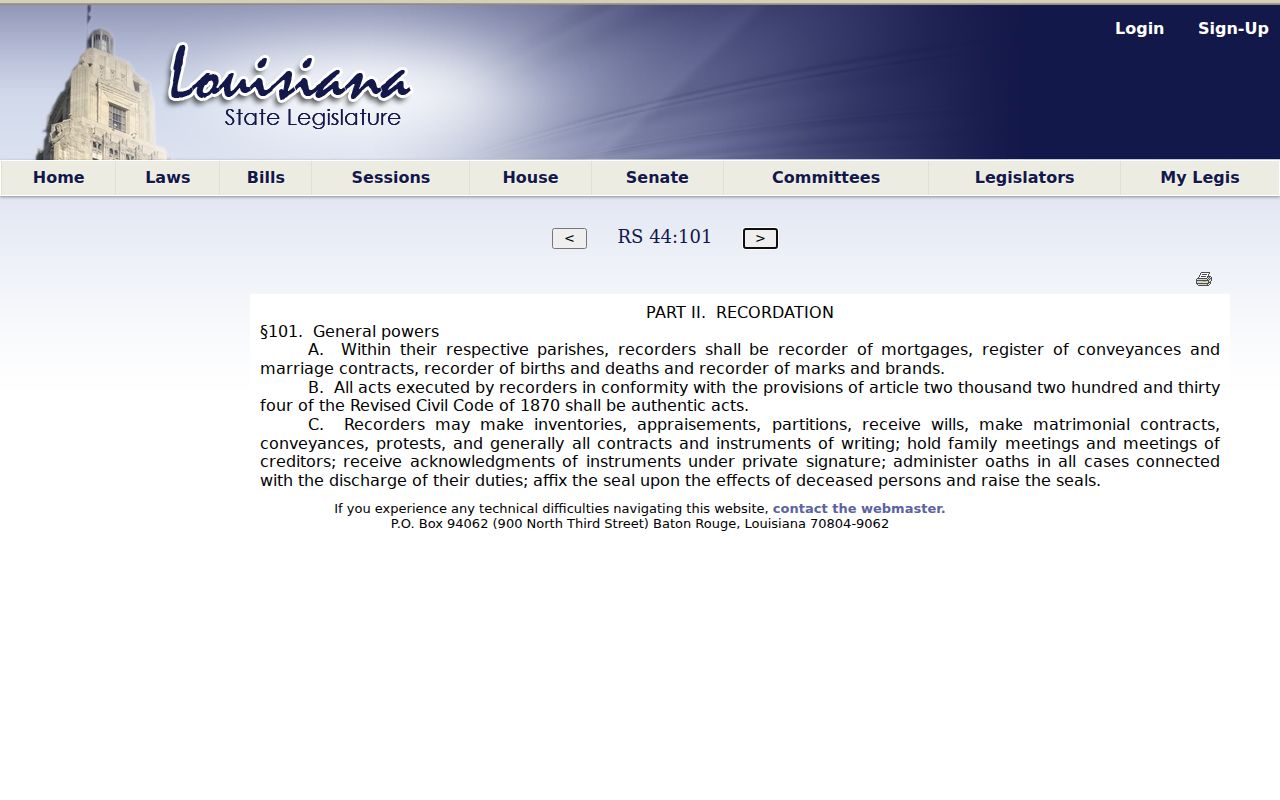
The Legislature's R.S. 44:3 law-enforcement records provision also demonstrates that public access to justice information remains subject to statutory boundaries.
Registry access has its own conditions and warnings; public availability never authorizes harassment, threats, discrimination, or vigilantism.
Misuse can be a crime: Louisiana's registry warning and R.S. 15:542.1.4 govern public access, and separate criminal laws apply to threats, harassment, and other harmful conduct. Report concerns to law enforcement and do not confront a listed person or target that person's household.